More to the picture
"Embarrassment. An emotion so useless it should be embarrassed of itself"
Ted Lasso
(Light spoiler alert: this edition of WTMWTD wanders into Ted Lasso territory, from Season 4, Episode 5. Feel free to bookmark us for when you're caught up on the latest episodes)
Most Friday lunch breaks in the Mojo office currently involve some version of a Ted take: debriefing our favourite moments from the show, the best quotes, the Easter eggs.
Episode 5 seems to have left quite an impression, because whilst we're no strangers to vulnerability, we realised that we’ve never explicitly explored the impact of embarrassment before.
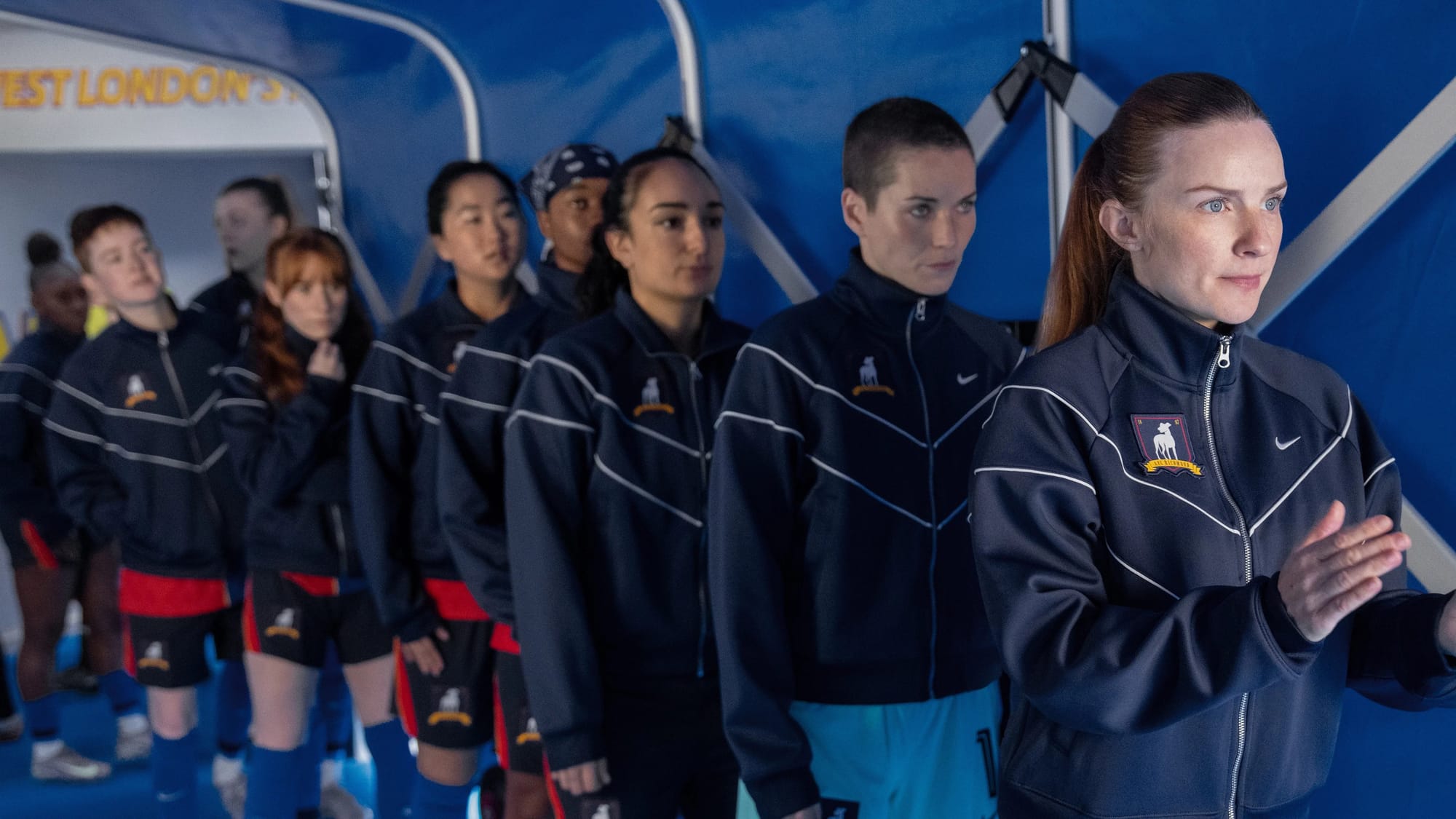
It all starts with a photo.
A couple of players from the Richmond women's team catch Ted eating alone one evening, and their secret snap of the moment is soon doing the rounds on the team group chat. By the next time they see him, there are rumours and worried theories: assumptions about his loneliness, his fashion choices, his life outside of work. All of it well-meaning, but built around a two-dimensional reference point.
That’s the funny thing about a snapshot. One angle, one frozen moment, with so much detail that exists outside of the frame. There's depth to the real picture, but it isn't fully visible to the eye.
We constantly take these ‘snapshots’ in life, catching a glimpse of someone or something, one still frame, and fill in the gaps with our own assumptions and imagination.
We're brilliant at meaning-making as humans, but that same gift can just as easily lead us astray. Because, to labour this analogy a little, life is much more like a moving picture: full colour, three-dimensional, with a meaning that shifts depending on the angle. You can't know the whole story from a single frame.
Well, Ted does as Ted does.
He graciously accepts the jeans the team ends up buying him and shrugs off their concern. At least at face value. Underneath his trademark humour, the assumptions have clearly unsettled him, and we come to understand why a little later on.
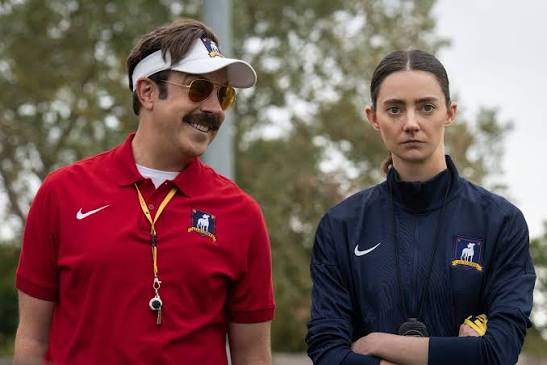
The leaps the team makes about Ted in this episode are the same ones we all make about each other. And if we’re honest, the harsh ones we make about ourselves.
Take Keeley in this episode.
Ahead of Richmond women's biggest match yet, their first ever televised game, she's worked her magic to fill the stadium: discounting tickets, giving away as many free seats as she can. And on the day, it's still half empty. She's mortified by this image of a half-full stadium, a single frame becoming all the proof she needs that she's failed and let everyone down. It doesn't take long before this interpretation is gathering momentum, tangling itself up in her self-worth and confidence.
That is, until, in the wake of the loss, she goes to apologise to the players for the turnout. They're baffled. That was the biggest crowd they'd ever played in front of, twice the size of any home game. If anything, they’re grateful for the support from those who did come along, and for their second-half comeback.
In one small exchange, they take Keeley's flat, two-dimensional frame and hand it back with new, three-dimensional meaning.
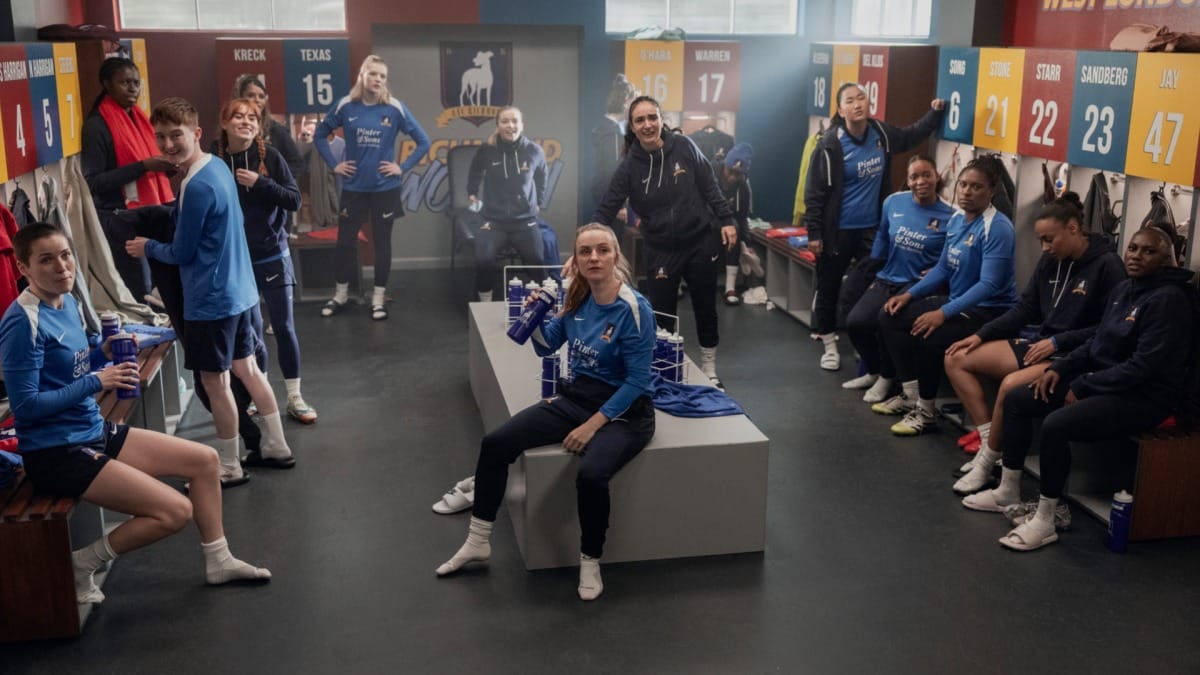
Which brings us, at last, to the moment you're always waiting for with Ted Lasso: the half-time speech. It’s been too long, and this certainly didn't disappoint.
The score's two-nil down to Chelsea, and rather than the usual rev-up, Ted does something a bit more courageous. He gets vulnerable, and sets the record straight.
“If I didn't know me, and I saw me, well, I'd think that me was the loneliest man I'd ever seen…”
Beyond the vulnerability itself, what we love is that this isn't necessarily a lecture about not feeling embarrassed, which is universal, human and inevitable. It's more about refusing to let embarrassment write the story.
In sharing more of himself with the team, Ted accepts his own embarrassment and uses it as a vehicle for curiosity. He realises the team's questions were less about judgement and more about concern, a desire to know him, an opening for deeper connection as a leader and a fellow human. Ultimately, he shows them that being alone doesn't have to mean being lonely, and that questions are always better than assumptions.
Maybe that's the invitation here. Embarrassment will always creep in, it's part of the human experience. So it's not that we push it down or run away from the feeling, but instead practise reframing it, and refuse to let it hand us a fixed, two-dimensional verdict.
Perhaps it's about seeing our embarrassment as an invitation for curiosity, letting it prompt a few questions, like:
What's coming up for me, right now?
Where's my focus going?
What story am I telling myself about this moment?
Could there be another way to see it?
Pictured like this, embarrassment stops being a harsh, final verdict and starts being more of a vehicle. A slightly uncomfortable one, for sure, but an opportunity to get to know ourselves a little better.
But enough from us. Let’s pass it over to the coach himself for the final word: