Published 28 May 2026
Dance to your own beat
"We have to recognise that human flourishing is not a mechanical process... All you can do, like a farmer, is create the conditions under which they will begin to flourish"
Sir Ken Robinson
It's England, 1934, and a young girl by the name of Gillian - or 'wriggle bottom,' as her teachers had taken to calling her - is struggling to focus at school. Her teachers are at their wits end, concerned a learning disorder may be at play. They advise Gillian's mother to take her to a doctor for additional support.
After listening to stories of her disruptive behaviour, the doctor turns to his young patient:
"Gillian, I've listened to all of these things your mother has told me. I need to speak to her privately. We won't be long."
He flicks on a small office radio and exits with Gillian's mother in tow. From the hallway outside, the doctor gestures quietly to the window. Because within the room, this little girl had begun tapping and twirling to the music. They watch for a few minutes, and the doctor turns to Gillian's mother with a prognosis that has since changed the course of history:
"Mrs Lynne, Gillian isn't sick. She's a dancer. Take her to a dance school."
That little girl was Gillian Lynne, who went on to dance for the Royal Ballet, before meeting Andrew Lloyd Webber and becoming one of the most celebrated choreographers of our lifetime. She's the creative force behind some of the most beloved theatre productions in history, including Cats and Phantom of the Opera.
Imagine if that unique creativity and curiosity had gone unrecognised.
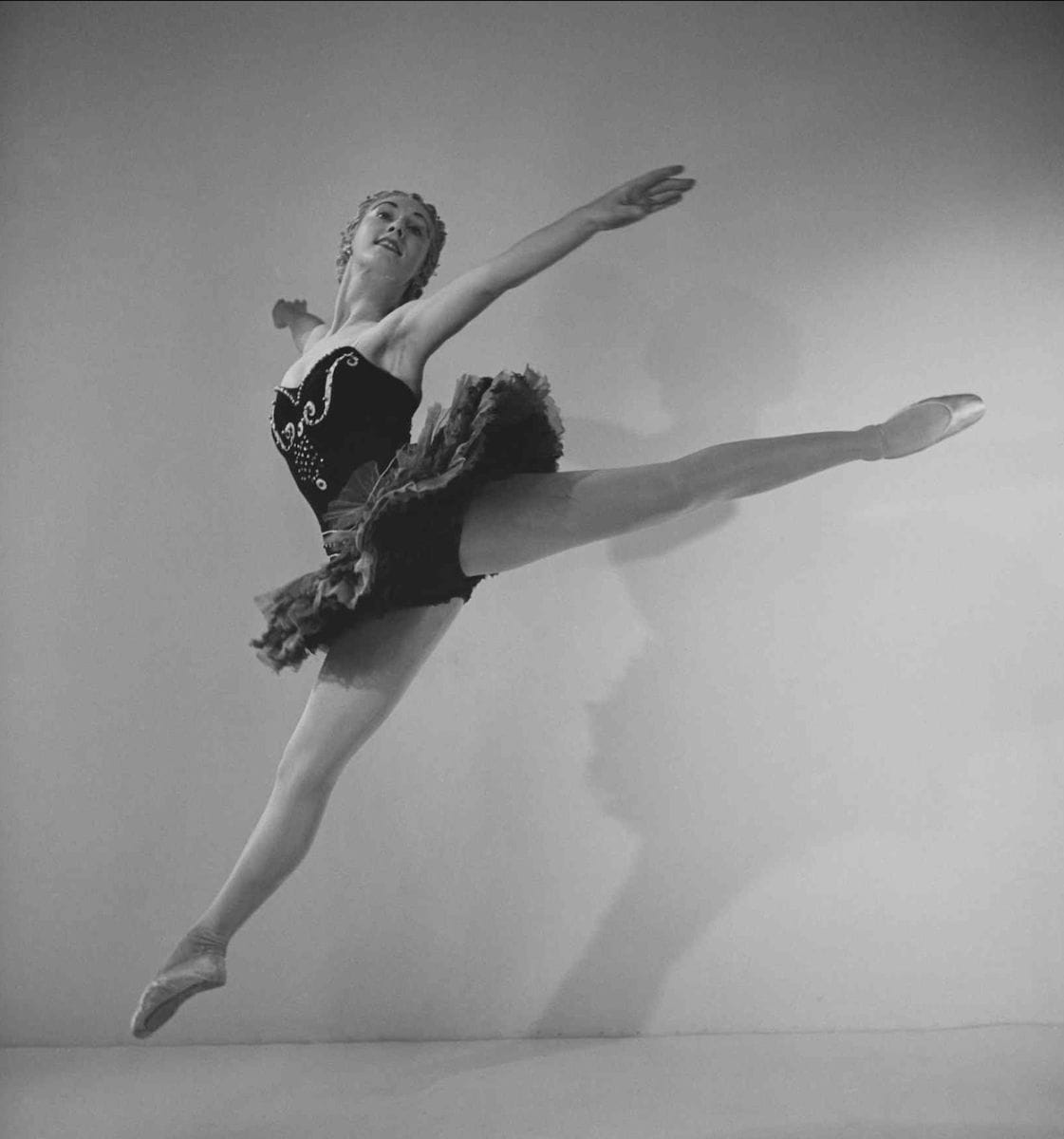
We tend to have a very narrow idea of what intelligence looks like. We picture the likes of Einstein, Da Vinci or Shakespeare… Or maybe that one kid in high school who made exams look effortless.
But intelligence and creativity come in so many different forms. Everyone has brilliance. Whether it's a unique perspective, a quirky sense of humour, a flair for storytelling, a love of sport, a knack for numbers, or the ability to be an excellent listener.
As Sir Ken Robinson, whose legendary TED talk first highlighted Gillian's story, reflects: many highly talented, brilliant, creative people go through life thinking they're not, because the thing they were good at was never valued, or was actively stigmatised.
We all learn and express ourselves differently. We all have different strengths and something meaningful to contribute. Sometimes it takes exploration, and no small amount of courage, to discover what that might be.
Maybe the best thing we can do is get a little more curious about the people around us, whether at work or at home...
What does this person need to thrive? Is it encouragement? A collaborator? A sounding board? Or simply permission to approach a challenge a little differently to the norm.