Blisters before bliss
"We find our blisters before we find our bliss"
Ben Crowe
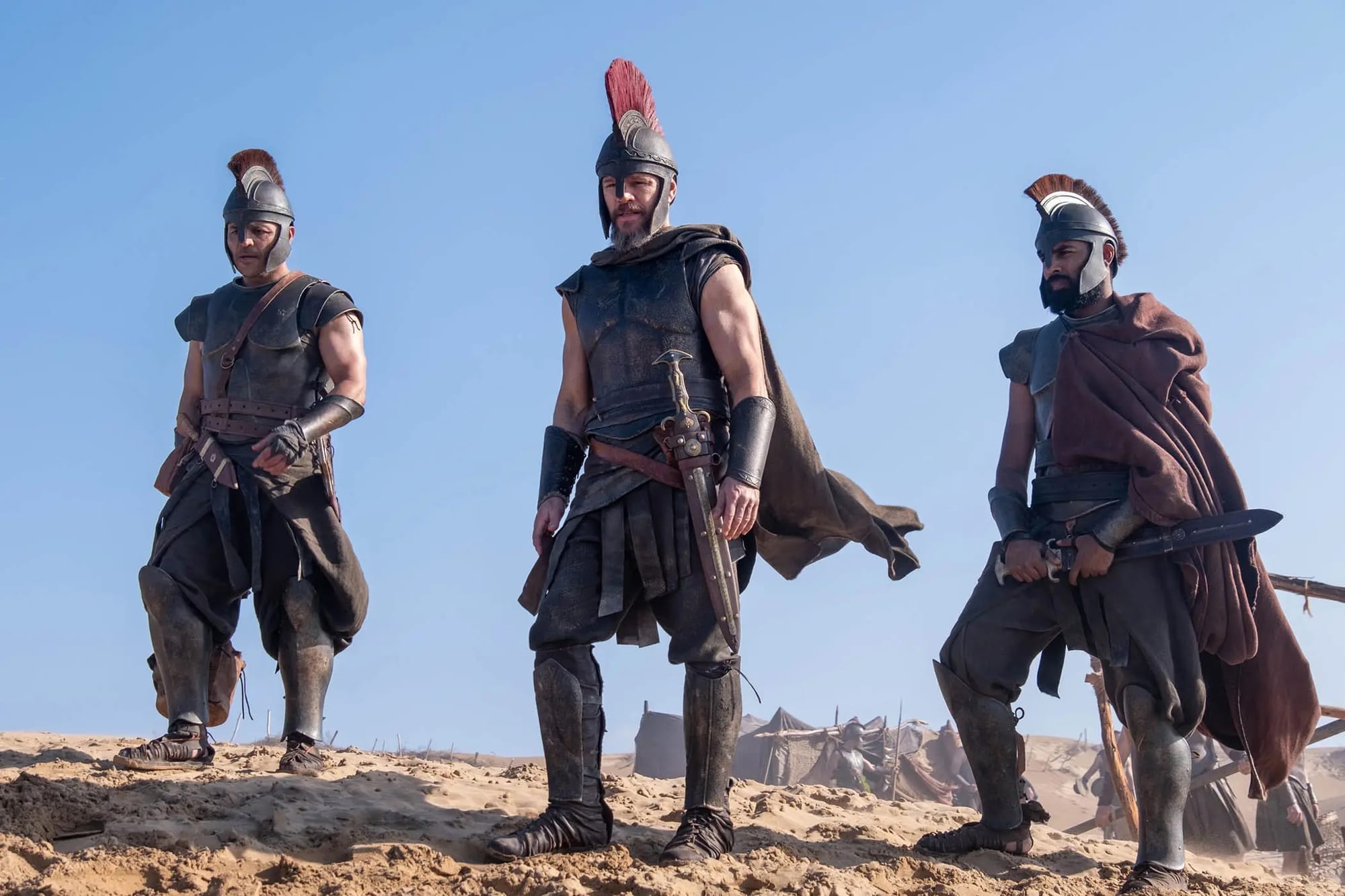
From Greek myths to campfire tales, from woven tapestries to Hollywood blockbusters, storytelling is one of the oldest and most celebrated traditions in the history of humankind. And threaded through much of it is a recurring shape: someone leaves what's familiar, is tested by something epic, and comes home changed.
It's interesting that a nearly 3,000-year-old story just gave Christopher Nolan the biggest opening of his career.
The Odyssey just pulled in over a quarter of a billion dollars globally in its opening weekend. Most audiences already know how it ends. What still pulls them in, we'd argue, is watching a character venture down a long, different road, and recognising something of themselves in it.
Joseph Campbell called this framework The Hero's Journey. A hero answers a call to action or adventure, and leaves the world they know behind. They hit a stretch in the middle (what we often call "Chapter 2" of the story) where they're tested by real adversity, sometimes broken by it, before finding a way through. Eventually, they return home transformed, carrying a new sense of purpose and meaning from their experiences.
We watch, read and hear this same pattern again and again in books and film and TV, because some version of it is already running in our own lives.
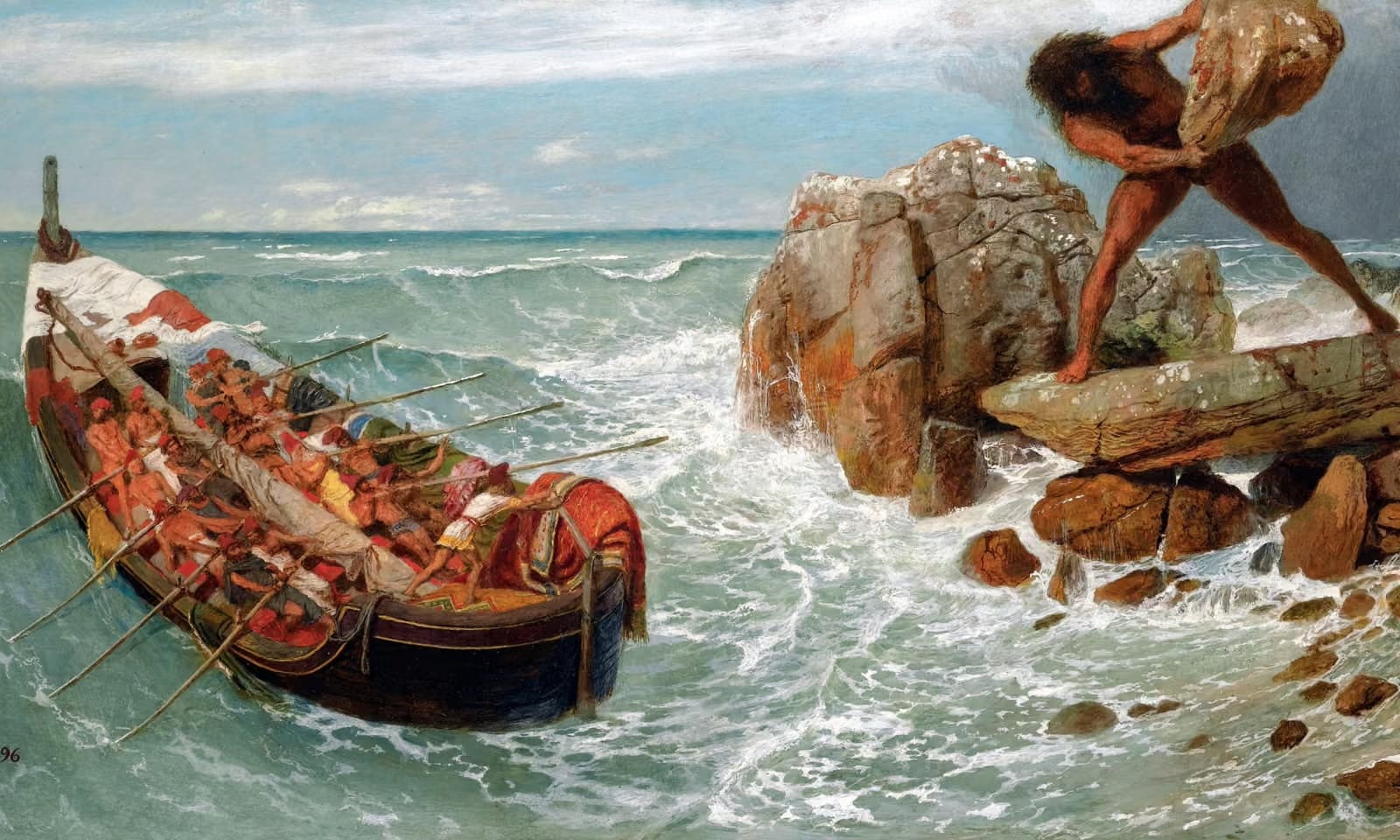
Every quest comes with a Chapter 2 built in. Odysseus spends a decade at sea. Yours might look like heartbreak, loss, or a decision that feels like choosing between two impossible options.
Unfortunately, there's no outsmarting these crucible moments, and no technology, mental trickery, or sheer brute force can help us skip over this part. It's the fine print of being a human on a quest, the part of the story that shows you what you're made of.
(And yes, it sounds poetic and profound in theory, and really sucks in practise. At the time, at least! Stay with us 😉)
To be human is to make meaning. Two people can have the exact same experience and walk away with two different stories. How we respond depends on our interpretation, so we need to choose ours carefully. This is where those AAA mindset muscles can come into play:
Agency, in choosing to reflect and learn, or simply put one foot in front of the other. Acceptance, understanding that you can't control the waves, but that you'll find a way to surf them. And Appreciation... Perhaps for the simple things, like the friend or loved one that can sit with you in the mud.
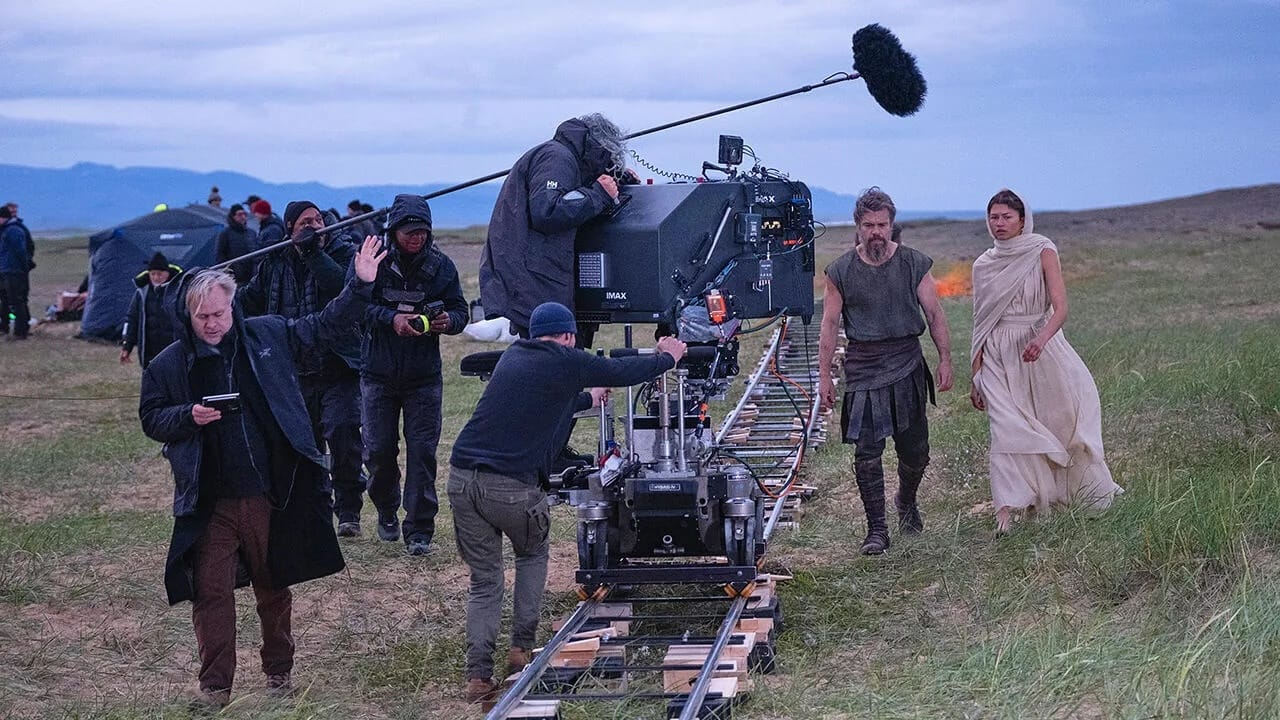
Speaking of stories: the most important one in each of our journeys is our Life Story. And one of our favourite things to do at Mojo is help people make sense of theirs.
Believe it or not, just about every athlete or leader we've ever worked with starts out thinking they don't have a story. Maybe when they hear this word, they picture something epic like the Odyssey, and figure their own doesn't measure up.
But with time, patience and curiosity, they start to realise that they're nothing but stories, and that they get to be both the author and the main character.
The same is true for all of us.
If you're ready for the next chapter of your quest, there's more of this waiting for you inside our Redefining Success program, featuring one of our most powerful exercises, the Life Flow map.
Or for a little extra inspiration this Friday morning, head to the archives of our Mojospresso podcast, and tune in to How to Go on a Hero's Journey (Remastered). Available on Spotify, Apple Podcasts and the WTMWTD Blog.