A view from the slopes
"Sport can be equally amazing and devastating"
Jakara Anthony
Sport and Mojo go together like good coffee and vegemite on toast.
So it’s no surprise we’ve been glued to all the Winter Olympics action throughout February. There’s something electric about the Games. The ultimate feat of athleticism and sportsmanship. Human-doing on a whole other level.
But, as we always say, it’s the human-being moments that run deeper than any medal or scoreboard. The ones that don’t always grab the media’s attention. The ones that have been hard-won behind the scenes - in quiet moments of doubt, unexpected falls or injuries or the decision to dream big with no guarantees.
These wins are often less glamorous, and are certainly less publicised, but they form a powerful foundation for our Self-Confidence and Performance Confidence, helping us to do what we do best… and find more meaning and fulfilment in the process.
In celebration of the incredible athletes competing at this year’s Winter Olympics, here are three of the best lessons to take from the slopes:
We couldn’t be more proud of Jakara’s journey. She’s been a Mojo community member from day dot — one of the very first pro athletes to complete the original Mojo App — and we’ve been lucky enough to witness and support her mindset work behind the scenes.
The foundation of that work? Defining her values. In a previous Mojo Masterclass, Jakara dug deep and mapped out exactly what matters most to her: Love, Growth, Resilience, Excellence, Courage and Authenticity. And then got laser specific about the behaviours that would bring those values to life, on and off the slopes.
That work didn’t stay on a notebook page. It became the athlete who shows up today on the world stage.
Ahead of Milano Cortina, Jakara revisited that foundation. She checked back in with her Good Wolf and Bad Wolf, staying curious about which stories were getting airtime on her internal radio station. If you’ve done this work with us through our Self-Confidence program, you’ll know this isn’t about simply silencing your inner critic. It’s about acknowledging the fears and unhelpful expectations, learning to challenge these stories, and find real-world evidence that there’s another way to play.
Now that preparation was put to the ultimate test in Livigno. In the single moguls super final, the event she’d won four years earlier in Beijing, Jakara’s skis crossed at the worst possible moment.
“That was really heartbreaking, the singles. I came in here with such a great chance of taking home that top step, but elite sport, you know, it’s hundredths of a second, and one little mistake, and it was all over” - Jakara Anthony
What came next was extraordinary. There were tears. Disappointment. Vulnerable, heartfelt conversations with her coaches, and the support of the whole Aussie team.
And then, less than 72 hours later, Jakara stepped back onto the snow for the dual moguls - an event she’d barely competed in over the past two-and-a-half years - and won gold. Not just gold. Jakara makes history, becoming Australia’s first-ever two-time Winter Olympic gold medallist, winning the first-ever Olympic women’s dual moguls event.
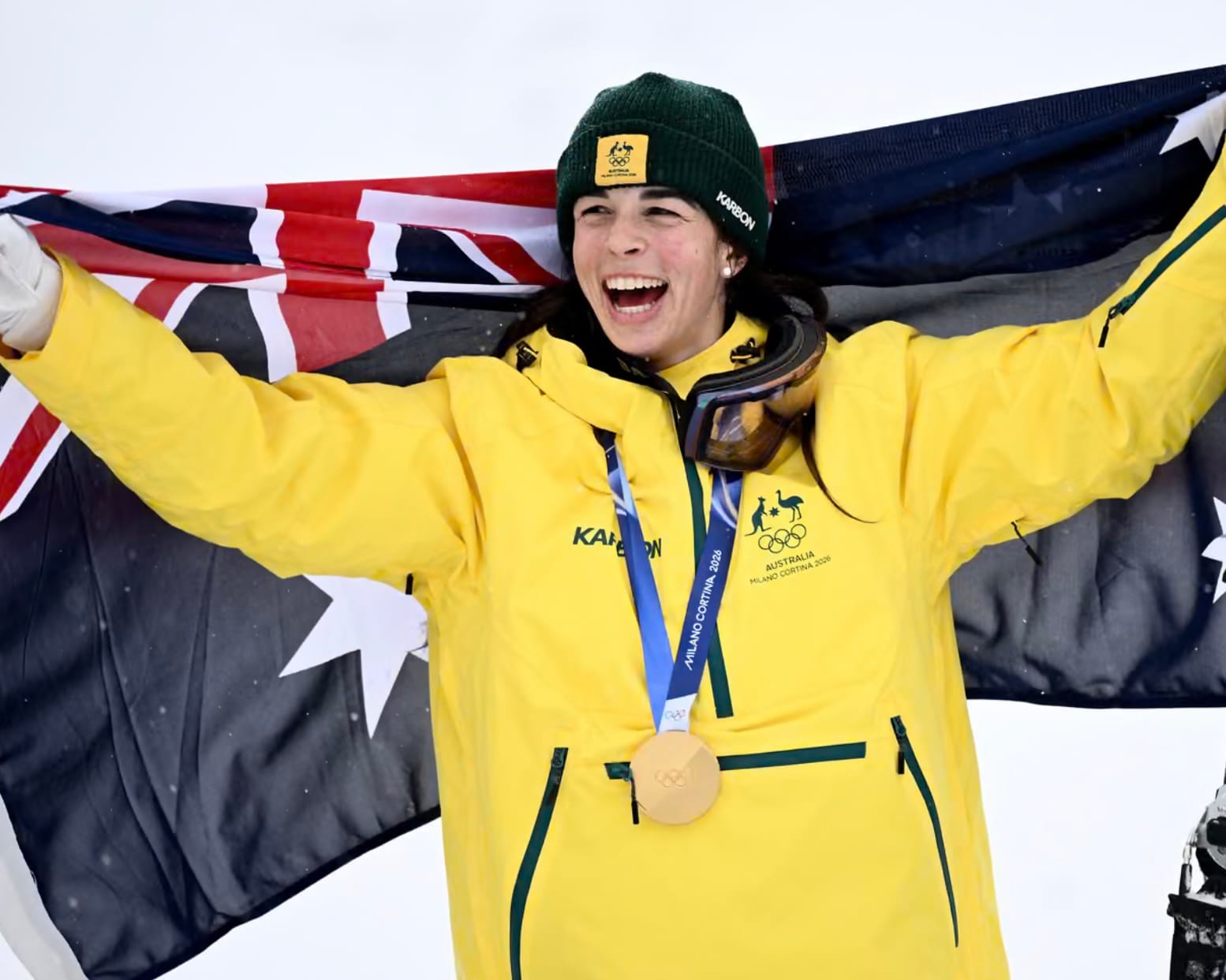
Her long-time coach Peter McNiel, who has been by her side since she was 12, sums it up beautifully: “I think it is an absolute reflection of the work she’s done to be able to have that kind of resolve. It’s all inside her.”
It’s not the gold medal we’re most proud of (though we’re still stoked for you and this historic moment, Jak!). It’s the courage, perseverance and perspective. The values in action. A beautiful reminder that the internal work is every bit as important as the physical, and that our response to adversity is what really counts.
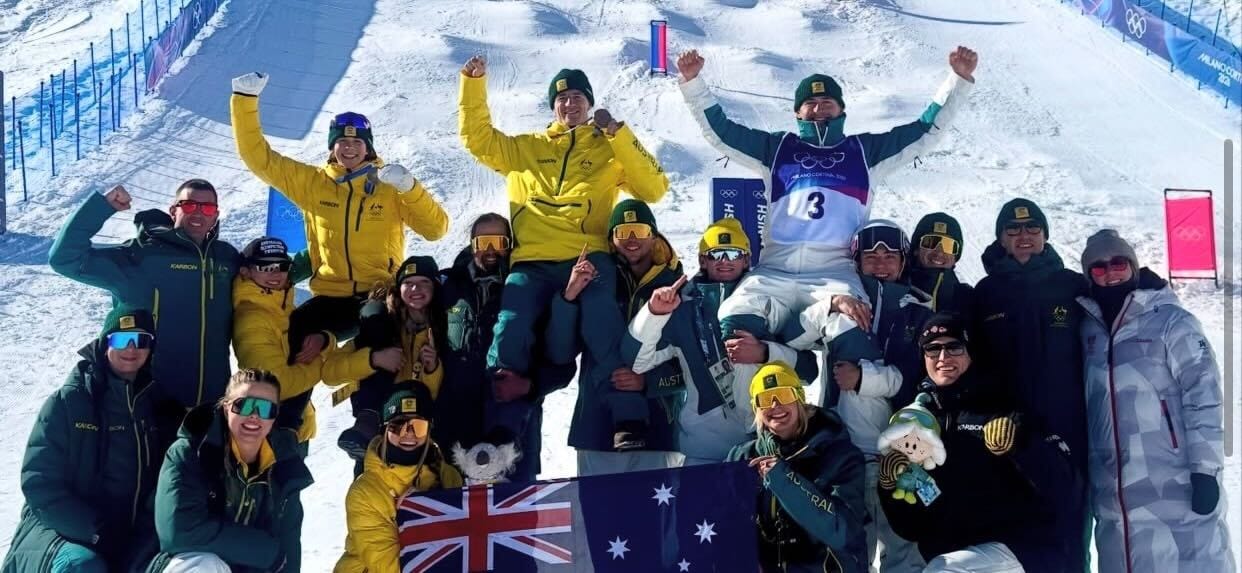
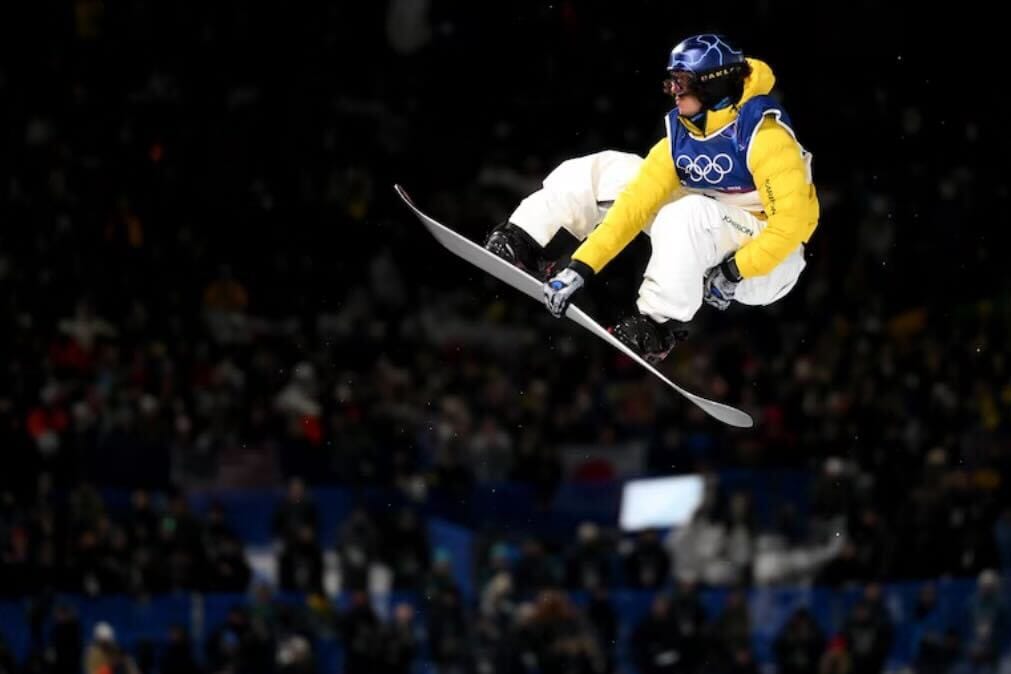
Valentino Guseli wasn’t supposed to be in the big air competition. The 20-year-old from NSW had come to Milano Cortina for one event: halfpipe. Then Canada’s Mark McMorris crashed out with an injury, and Valentino got a call.
With a nothing-to-lose attitude and his characteristic playful spirit, Valentino qualified for the 12-man final, posting the second highest score in qualifying with a trick he’d only ever landed once before. And it’s worth noting: it was also the same trick he’d ruptured his ACL on in late 2024!
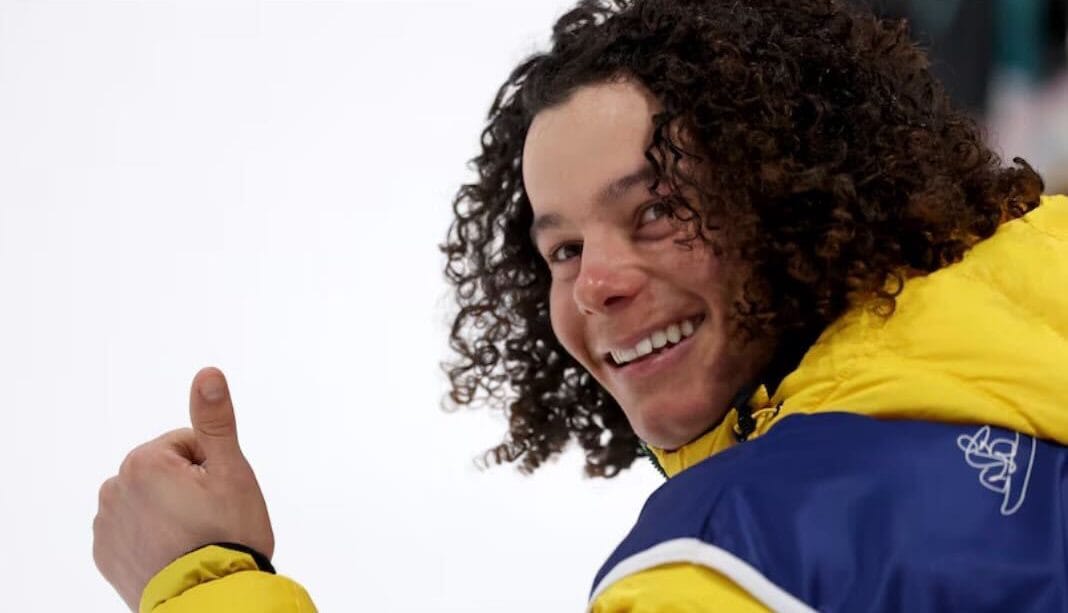
“I couldn’t have tried harder or wanted it more so yeah, no regrets. I had a lot of fun riding and I left it all out there, for sure” - Valentino Guseli
This is what it looks like to tap into your AAA mindset muscles: Agency, Appreciation and Acceptance. Valentino embraced the opportunity in front of him, found deep appreciation for the experience, and accepted the outcome with humility.
Above all else, it was a day full of ‘personal wins.’
We talk a lot about the weight of expectations. Expectations of others and outcome, and how distracting this can be in our day to day life, let alone in the moment of peak performance.
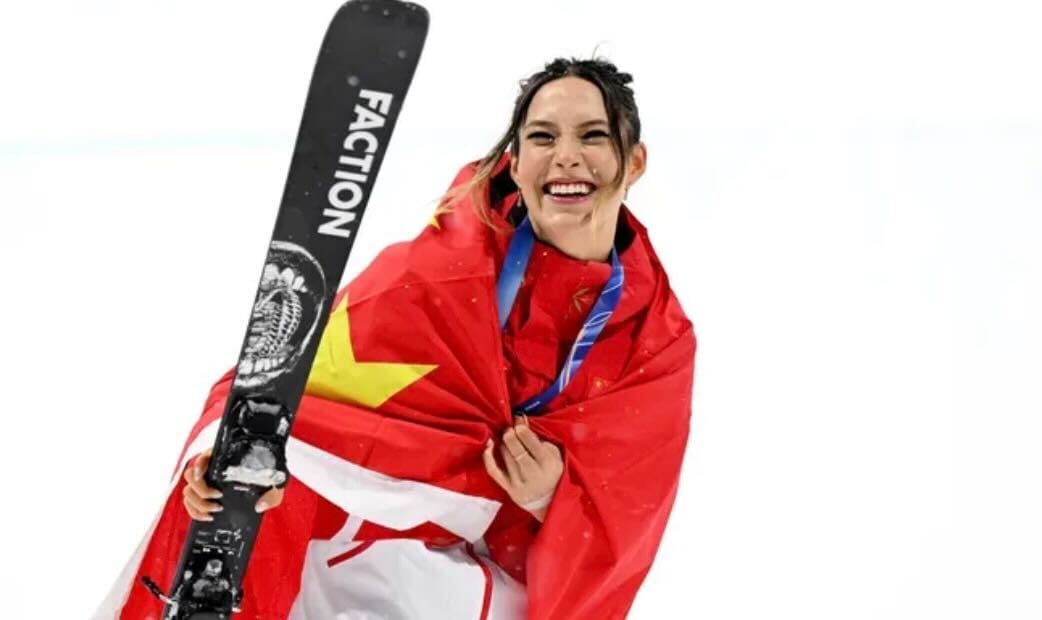
There’s no better illustration of all of that than in Eileen Gu’s recent press conference.
“So do you see these as two silvers gained or two golds lost?” a reporter asked the most decorated freestyle skier in history.
Well, if the media was looking for a narrative about failure or falling short, they weren’t going to find it here.
“Winning a medal at the Olympics is a life-changing experience for every athlete. Doing it five times is exponentially harder because every medal is equally hard for me, but everybody else’s expectations rise,” Eileen shared.
"And so the ‘two medals lost’ situation, to be quite frank with you, I think is kind of a ridiculous perspective to take. I’m showcasing my best skiing. I’m doing things that quite literally have never been done before, and so I think that is more than good enough.”
Eileen’s reframe isn’t about dismissing external goals. She competes at the highest level and cares deeply about performance. But she also refuses to define success through the eyes of others, or an outcome she can’t fully control.
It’s clear that she’s committed to measuring her success through internal benchmarks, not just the external: Am I exploring my potential? Am I embracing new challenges? Am I giving this my all?
When it comes to Play, Purpose and Potential, this is what it’s all about. Measuring success on our own terms, and in doing so, encouraging others to do the same.
We’ve all got mountains to conquer.
For some of us, this happens on the world stage. For most, this happens away from the spotlight. The joy is in getting to exchange these stories, and learn from one another along the way.
To all the athletes and teams competing in the 2026 Winter Olympics, thank you for your courage, grit and vulnerability. Amidst the excitement of competition, it’s a beautiful reminder that shifting our perspective and redefining success is the greatest adventure of all.