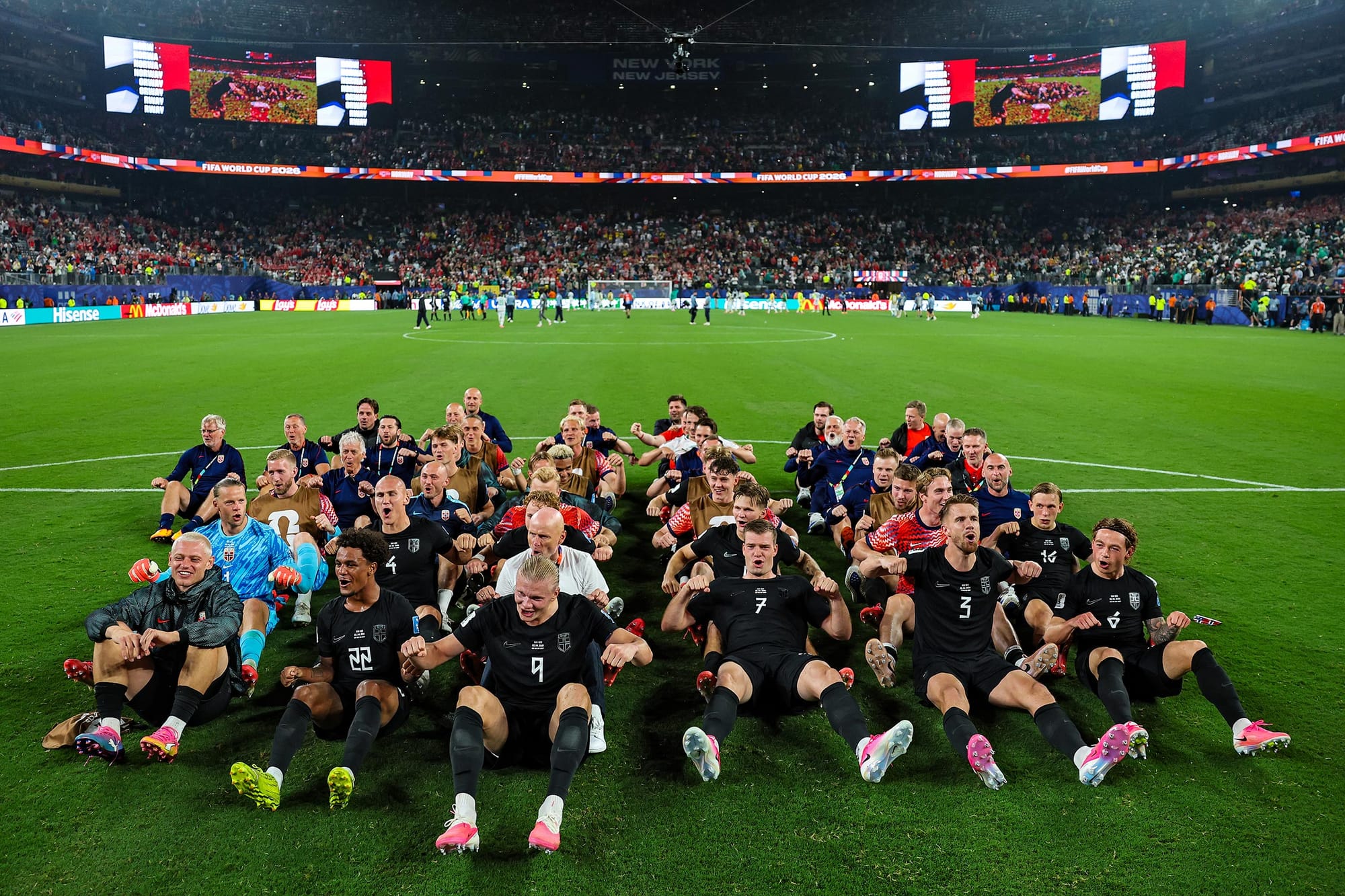
Published 16 July 2026
The parade comes anyway
"Joy and struggle can coexist, and in the best performers, they almost always do"
Brad Stulberg
Twenty years ago, if you visited Bryne, a small town on the west coast of Norway, you’d find an indoor football pitch that sat unlocked most weekends.
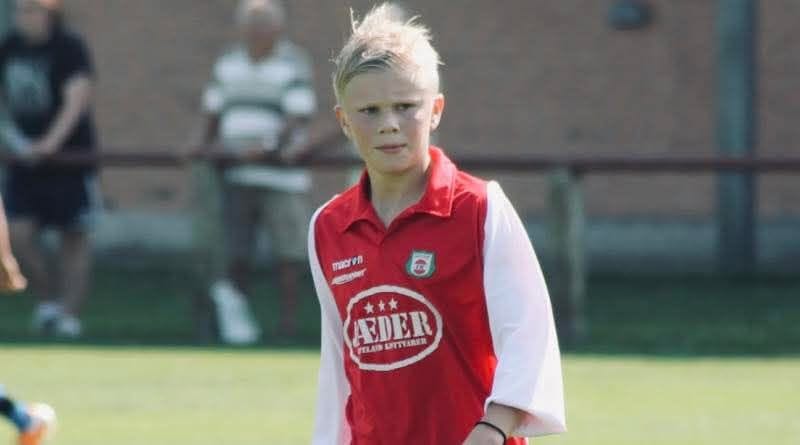
A group of local kids would let themselves in, split into two makeshift sides, and play football for hours. They imagined full stadiums and roaring crowds, playfully calling their game the ‘World Cup.’
Among them was a tall, goofy blonde kid with an uncanny habit of finding the back of the net. A football prodigy in the making. His name was Erling.
Fast forward to July 11, 2026, and Norway loses to England in the real-life FIFA World Cup quarterfinals. Plenty of media outlets will leave the story here, success measured against the result that didn't go Norway's way. The gap.
Well, you know us 😉
We’d rather measure the gain.
Norway hadn't set foot at a World Cup since 1998. Now they’d earned a place in the final eight, accompanied by a player that had captured the world's imagination: Erling Haaland, the ‘Striking Viking,’ now one of the most feared forwards on the world stage.
Play and high performance are never opposites. But the connection has gotten a little lost in the noise of elite sport (or any kind of competition, in today’s world).
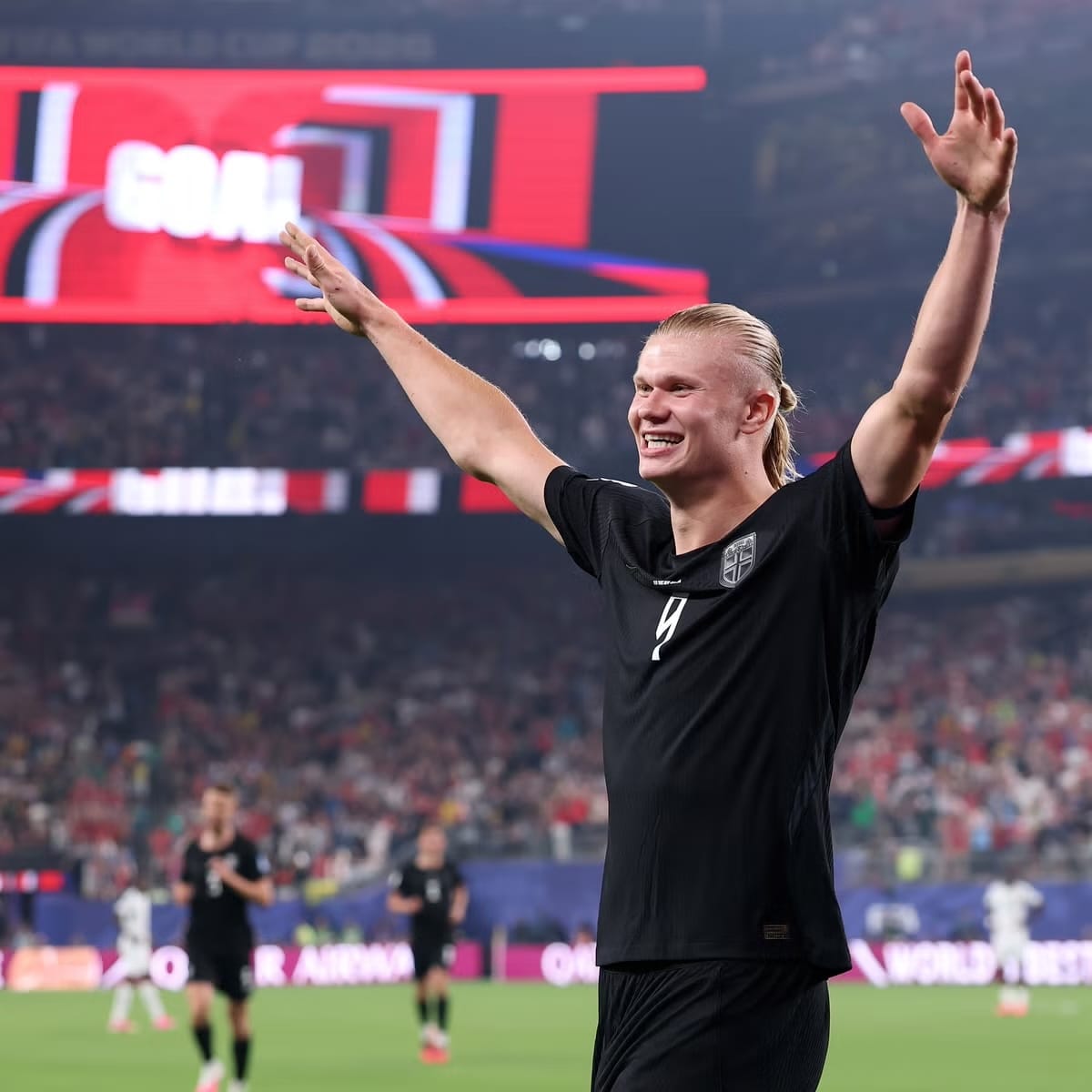
Haaland’s performance throughout the World Cup is clear evidence that when you celebrate the human-being first, you make the human-doing better. That intense competition and sheer joy can co-exist. Haaland’s learned this along the way, and it’s exactly what makes him dynamic, effective, and so much fun to watch.
On the pitch, he's become as famous for the theatrical celebration as the goal itself: arms out like he's rowing an invisible longship, a playful nod to a meditation pose after another impossible strike, and huge hugs for teammates and opponents alike.
He’s known for treating his training and recovery with the utmost discipline and dedication, understanding that the skills need to match the personality at this level of professional sport. And yet, when it comes to the moment of performance, you get the sense that he’s not taking himself too seriously. Or at the very least, that he’s decided to use goofiness as the ultimate competitive advantage.
We often say that play needs a re-brand at Mojo, so it’s exciting to discover that none of this is by accident for Haaland and his teammates. It’s by design.
Back in Bryne, the youth club Haaland grew up in didn't keep score until players turned eleven, and that's not unique to his local community. This practice is baked into how Norway raises young athletes nationally: no scoreboards, no titles, no pressure to perform until kids are old enough to understand that winning isn't the be-all and end-all.
Play first, everything else follows.
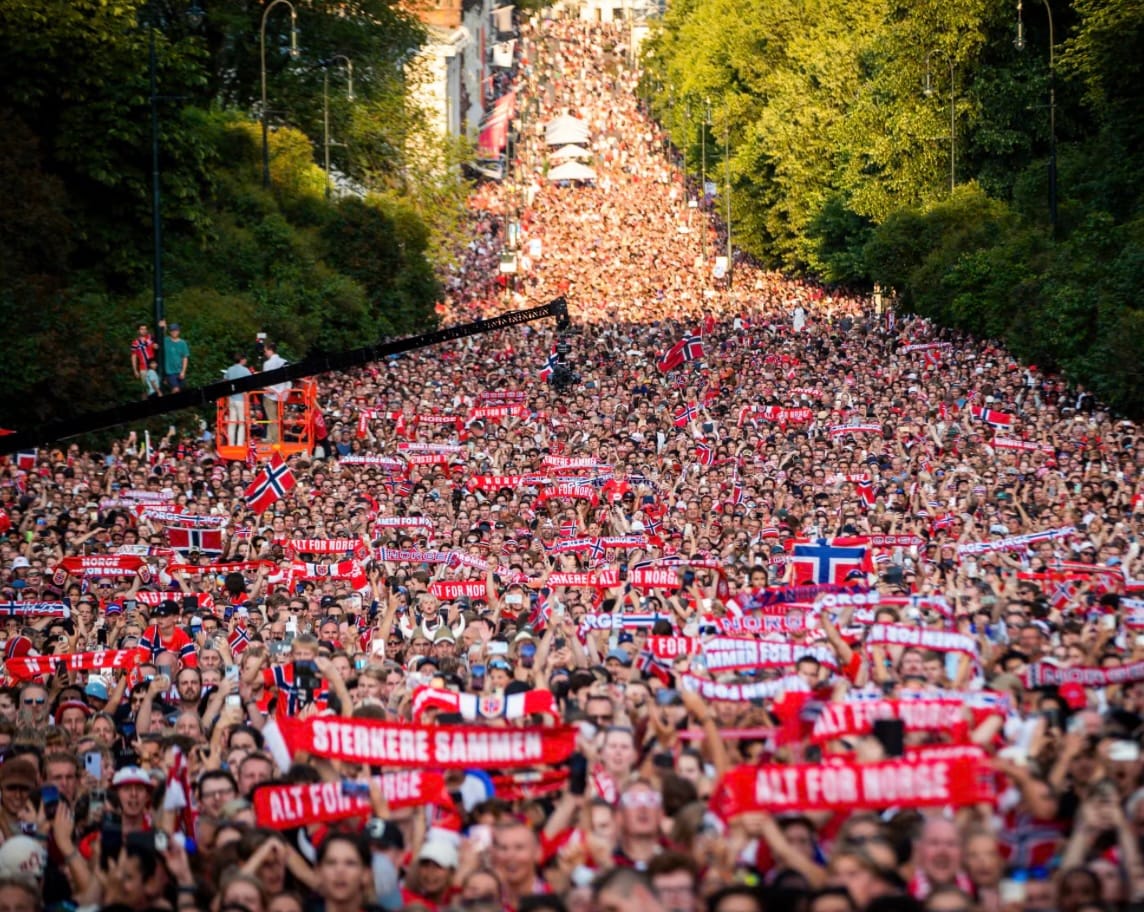
You only have to look at the recent scenes in Oslo to know they’re onto something special. Despite losing the World Cup quarterfinals, you could find thousands lining the streets to celebrate, as an open-top bus carried the team from the royal palace to city hall…
Play from the right perspective, as Norway show us, and the parade comes anyway.