Published 9 July 2026
Small country, big hearts
"We are small, but we have big hearts, and we are fighters"
Vozinha
A few weeks ago, we met Vozinha, the 40-year-old goalkeeper from a tiny island nation who kept Spain at bay on his World Cup debut. Over this last week, the world got to experience the next plot twist in this extraordinary story.
Cape Verde, a nation of around half a million people, ranked 67th in the world and entering their first ever World Cup, had already done the unthinkable. A run of draws in the group stage, including that famous stalemate with Spain, carried them into the knockout rounds. The smallest nation ever to get there and resident underdogs, ready to meet Argentina, reigning world champions.
What followed next in Miami was, by almost every account, the game of the tournament so far.
Argentina took the lead through Messi, as most had expected them to. But Cape Verde refused to read the script, falling behind twice and hauling themselves level twice, the second an extra-time strike of such quality that the whole stadium seemed to hold its breath.
For long stretches, a nation that only joined FIFA in 1986 stood toe to toe with the best team on the planet. It kinda felt like a Rocky movie playing out in real-time.
In the end, the cruellest of margins denied them. A deflected goal put Argentina back in front, and this time Cape Verde couldn't quite answer, though not for want of trying.
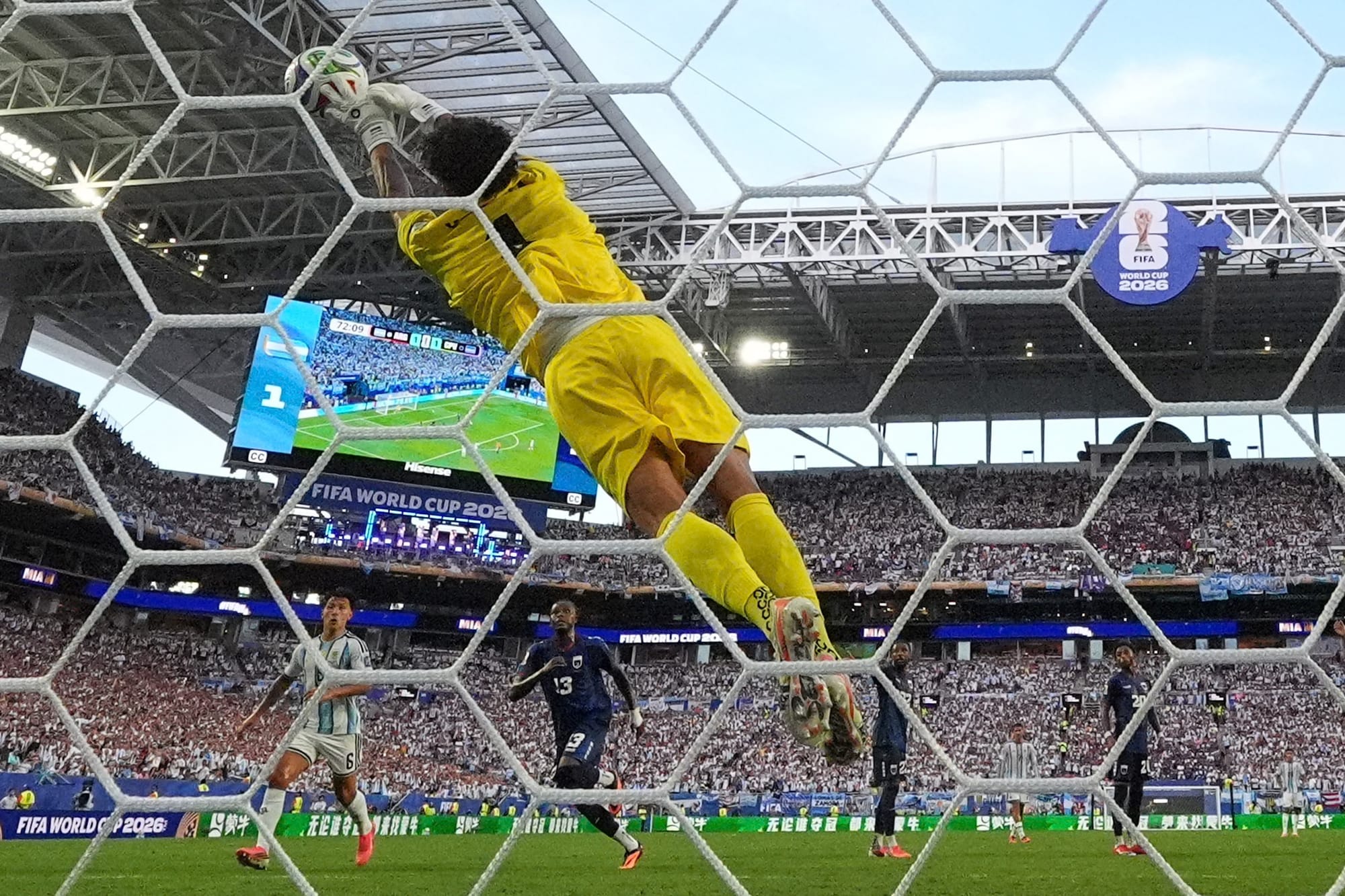
Cape Verde lost 3-2, coming within minutes of one of football's greatest upsets.
And yet the more you look at it, the more it resembles a victory.
On the scoreboard, and for the fans reliving it, this defeat stings, and probably will for some time. These are fierce competitors who came agonisingly close, who wanted to win, and who exceeded every expectation put upon them.
But if we zoom out to the bigger picture, something else comes into focus. This is never just about the scoreboard, and it’s certainly not the end of the story.
We love to talk about the three P's of intrinsic motivation at Mojo: play, purpose and potential. They're superpower qualities that help us redefine what success actually means, shifting it away from outcomes we can't fully control and toward the things we can.
Watching Cape Verde over the course of the World Cup, you saw all three alive in a single player, and in the collective force of a team:
Play, in their sheer love of the game, still pressing with fifteen minutes of extra time to run against the world champions.
Purpose, in what Vozinha described afterwards: “We grow up with a lot of difficulties, and our grandparents and our parents, they sacrifice a lot to educate all of us. I think we show the resilience of Cape Verdean people, and the passion we have for our country.”
And potential, in what they proved to the world and to themselves, that players from a small nation can go toe to toe with anyone, on the biggest stage there is.
"We are small, but we have big hearts, and we are fighters."
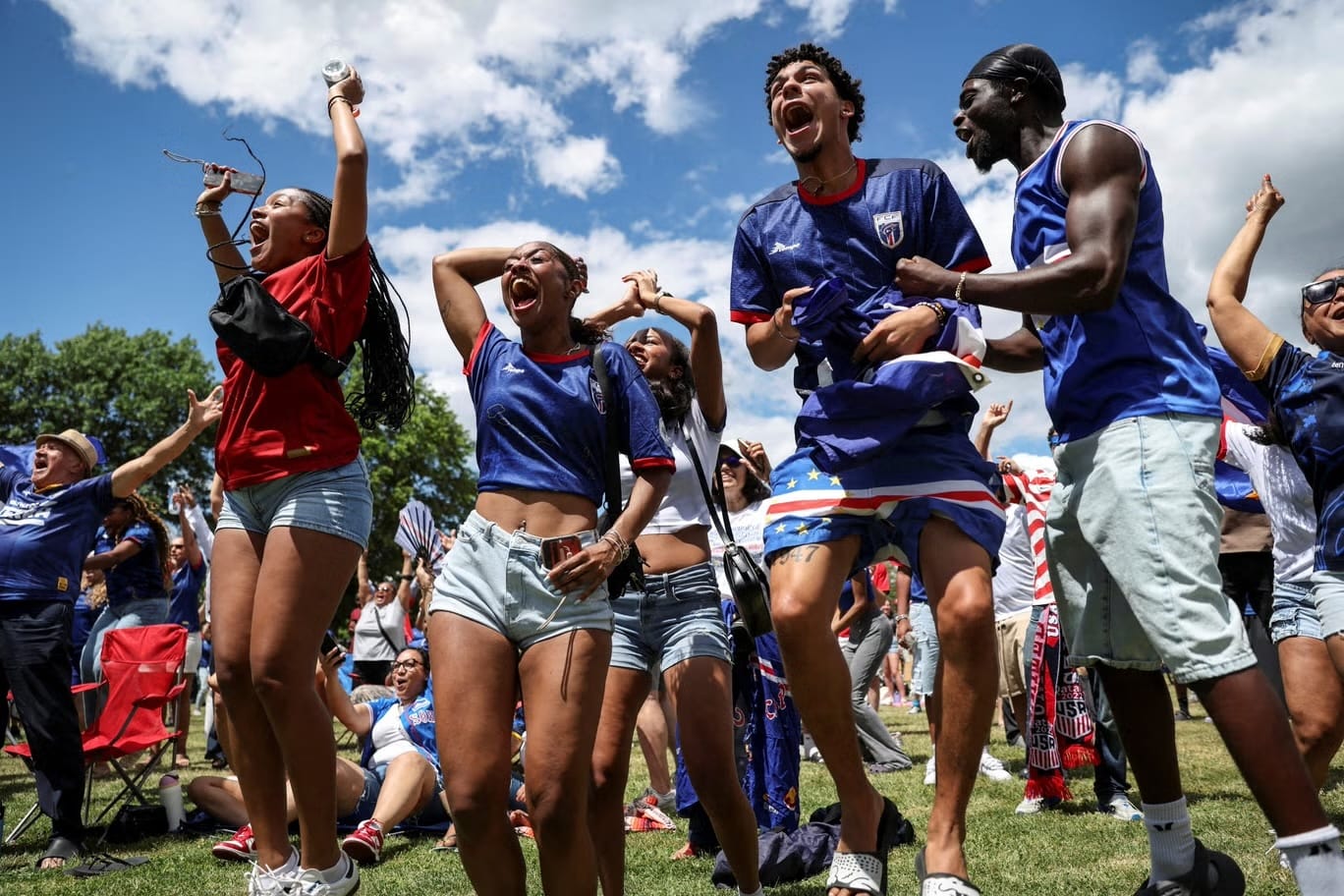
When you can dig into those three P's, as an individual and as a team, something powerful shifts. The result stops being the only measure of the day.
Because even when you lose, you win.
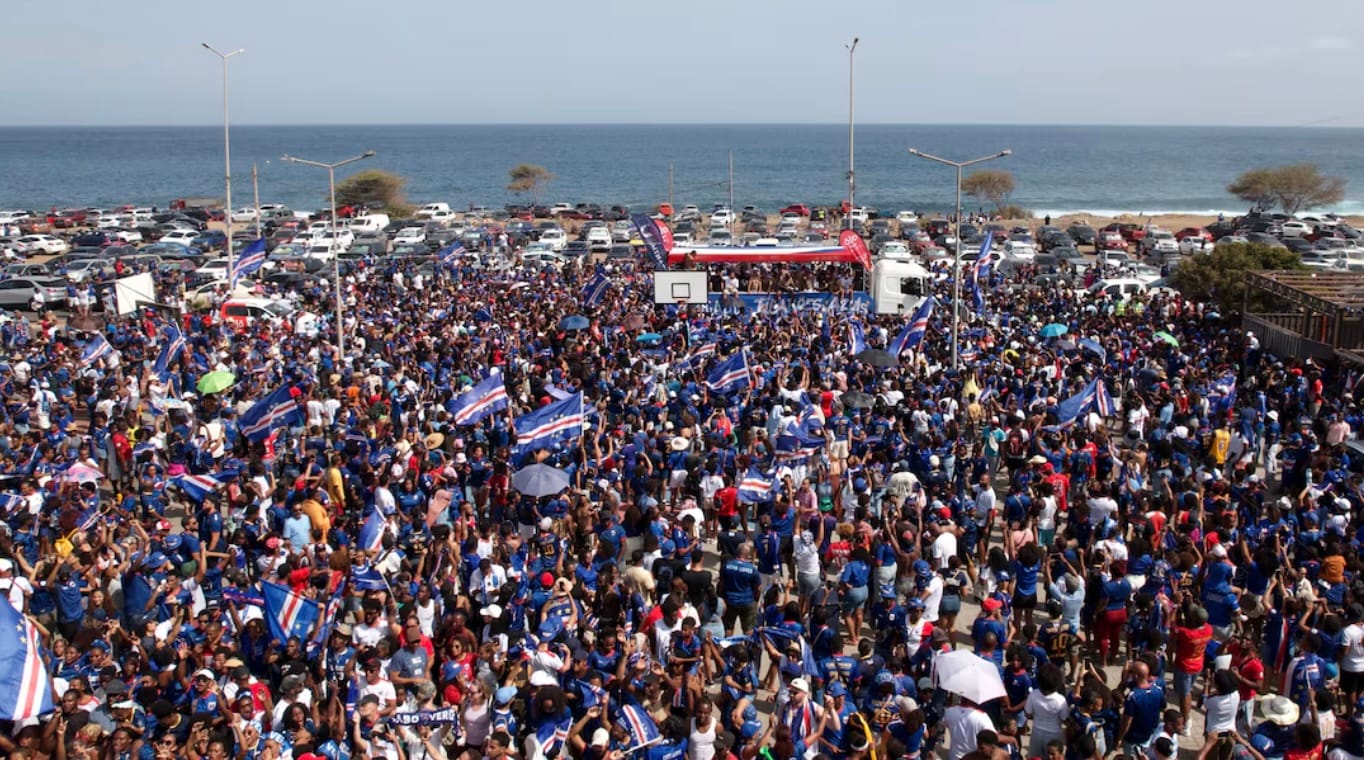
You could see that truth arrive home with the team. When the Blue Sharks flew back into Praia a few days later, tens of thousands of people flooded the airport grounds, drumming, dancing and waving flags. Turning the tarmac into a sea of blue on what also happened to be Cape Verde's independence day.
A nation that is so often overlooked got to feel seen and celebrated all at once, and the ripples are already spreading. At football academies across the islands, children as young as nine are watching all of this unfold and dreaming a little bigger than they did a month ago…
Cape Verde didn’t lift the trophy this year, but they’ve still won something special in the process.
We’ve got a feeling this will be the beginning of an epic legacy.